Military registration or serial numbers for RAF aircraft were a continuation of the system designed for the Royal Flying Corps. When the RFC formed in 1912 an alphanumeric system was in use for the aircraft, balloons included, using a prefix letter to determine the purpose followed by the manufacturers serial number. Army and Navy aircraft were serialised in the same way. A to balloons, B to fixed wing and F to Flying School aircraft, the Royal Navy used H for seaplanes, M for monoplanes and T for tractor aircraft. Within a year of its formation a unified system of registration was introduced by the Air Committee with the allocation of serial numbers being supplied to the manufacturer with the confirmation of the order. Serials were assigned to the two services in blocks of numbers from 1 to 10,000 beginning with the Royal Navy in November 1912 using 1 to 200. The first aircraft to be allocated a serial was a Short S.34 seaplane with the number ‘1’.
Subsequent numbers were allocated in batches 201 to 800, 1601 to 3000 and 4001 to 8000 were allocated to the Army. 801 to 1600, 3001 to 4000 and 8001 to 10000 were allocated to the Navy.
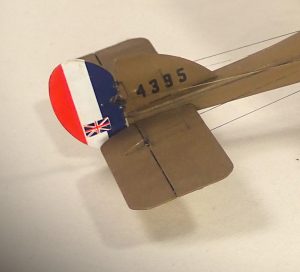
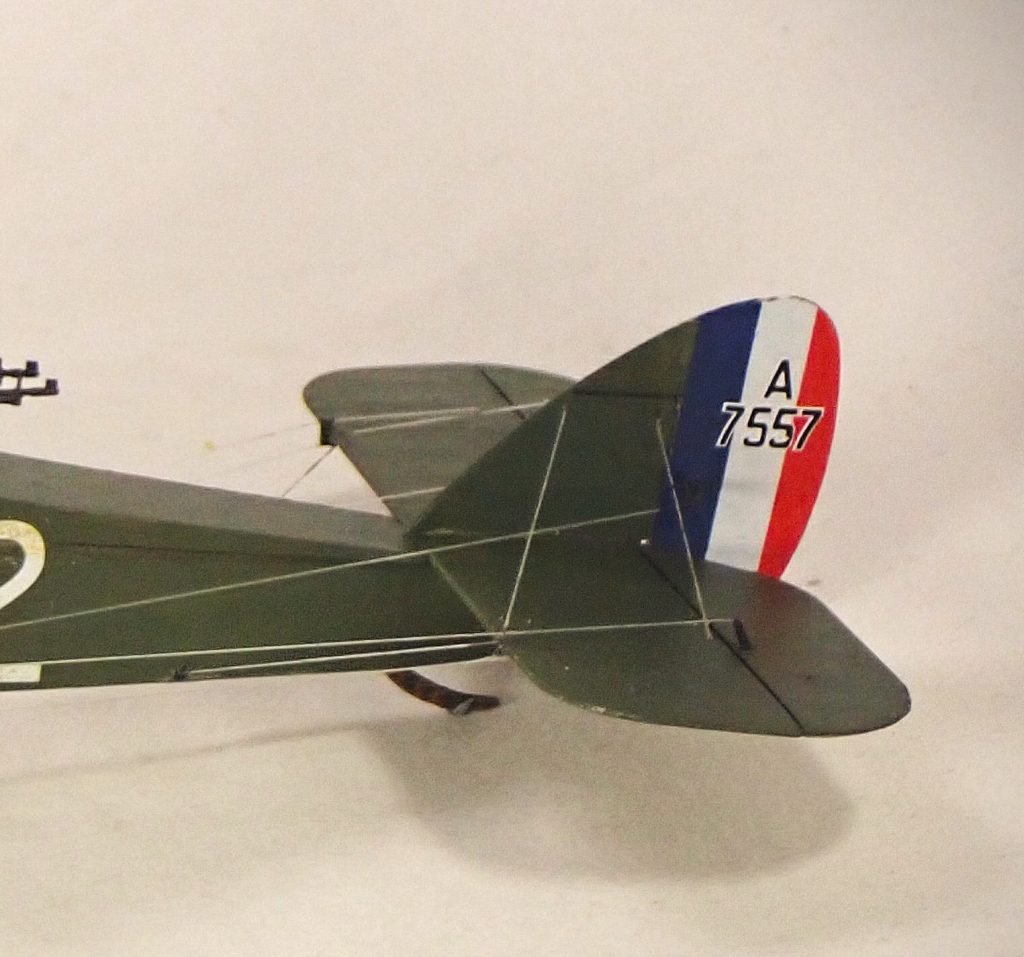
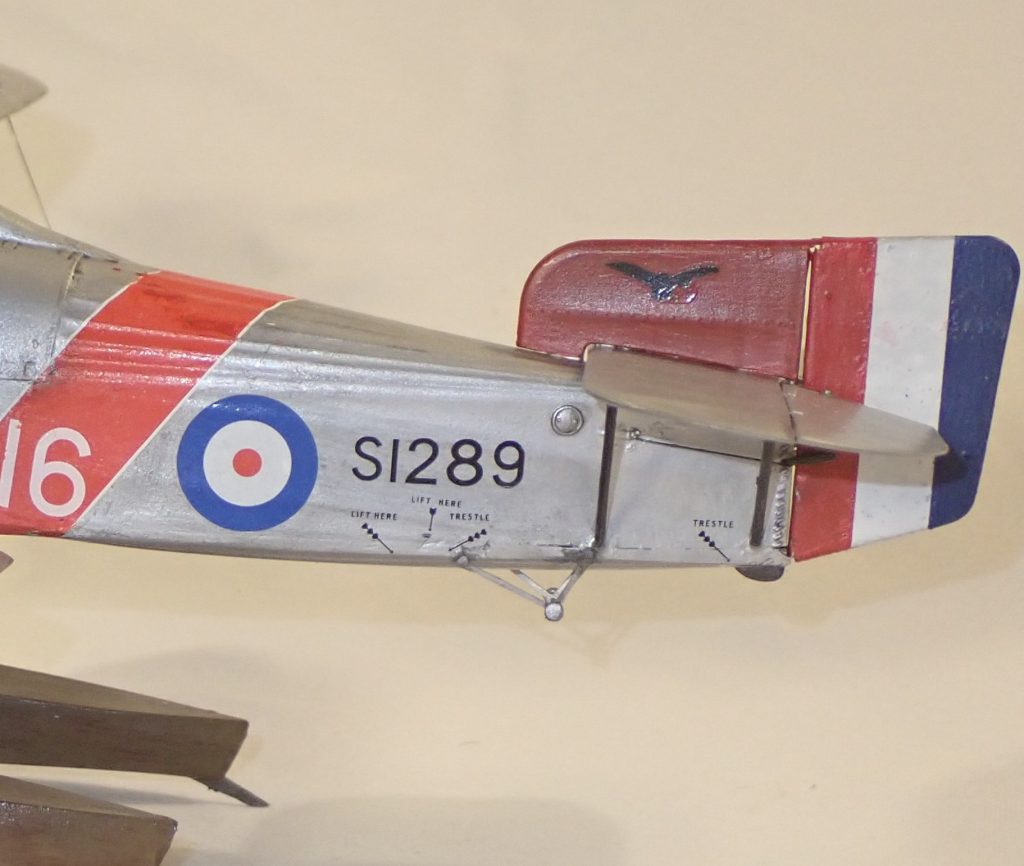
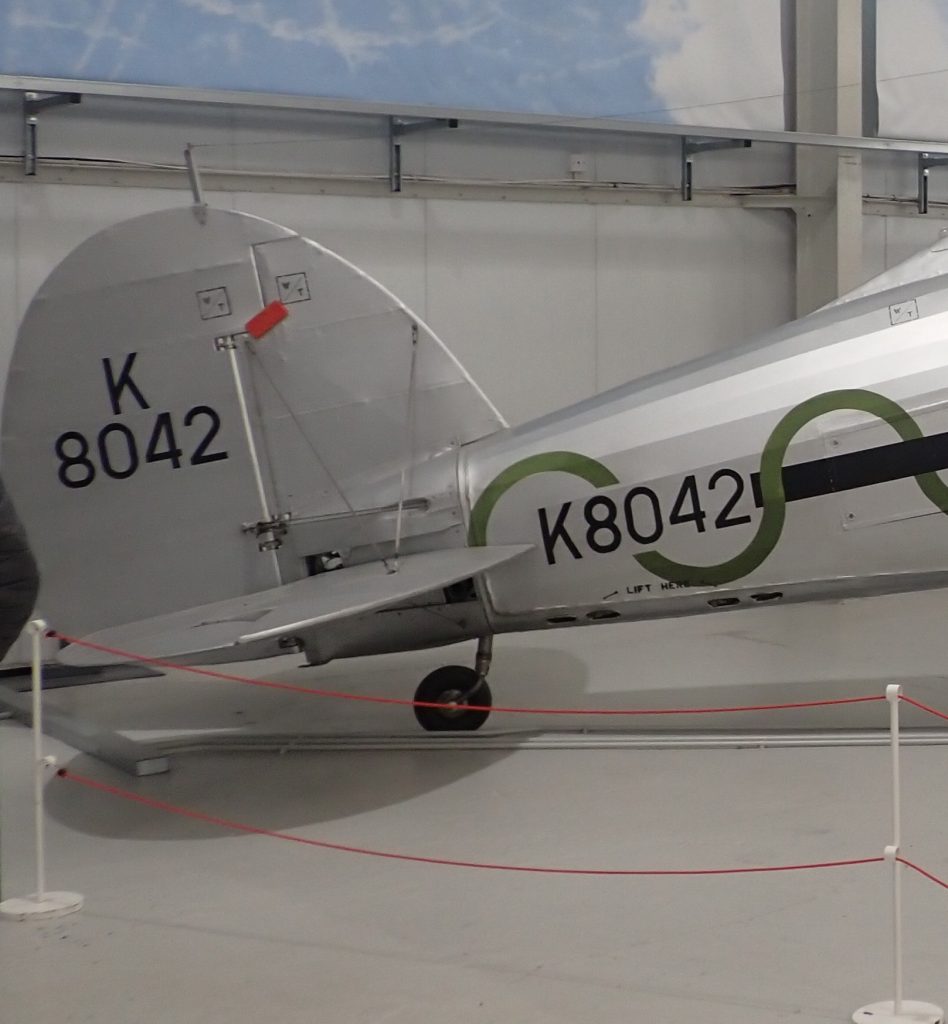
The second Navy allocation, 801 to 1600, was given when the RNAS were formed. From number 881 onwards denotes aircraft used during WW1. The RFC and RNAS had used up their allocated numbers by 1916. The last was number 10000 allocated to the RNAS and was the serial number of a Royal Aircraft Factory BE.2c built by Blackburn in 1916.
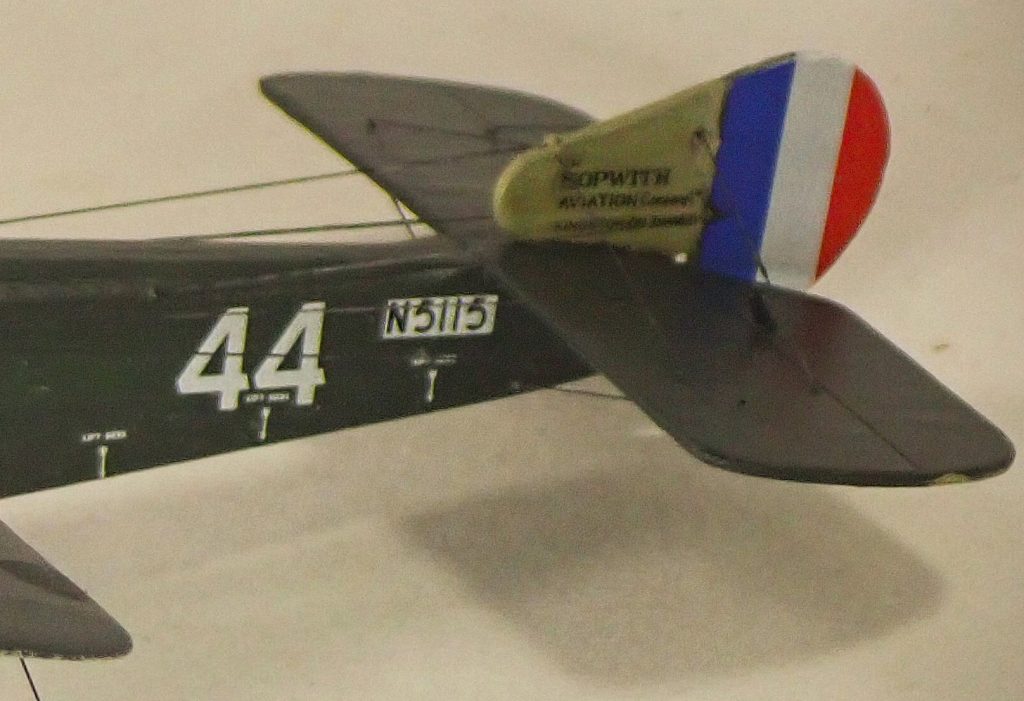
It was considered unsuitable by the Air Committee to paint five numbers on the side or tail of the aircraft, so a new system was immediately established in 1916 with the prefix of a letter followed by the number beginning with A1 to A9999. The Army used A with N and S used by the RNAS (N for Naval and S for Seaplane). The RFC had used up the A series by the end of 1916 so began on B. In the end A, B, C, D ,E, F, H and J were allocated to the RFC. ‘I’ was omitted as it could be mistaken for a 1. G was also omitted as it could be mistaken for a C, but captured aircraft were assigned the prefix in official records as G for German from 1917 to the end of the war, although the G was never added to the airframe.
When the RAF was formed in 1918 the serial allocation remained in place with some tweaks. By the time of the merger the RFC serials had reached E1600. The first official RAF allocation was F1 to F9999 and orders continued into the H and J series. Only a handful of aircraft from H and J existed as most orders were cancelled with the Armistice. Some of the F series were allocated but not used. The RNAS allocated their numbers to aircraft types as opposed to orders so some of the N and S series were not used by the time the RAF formed. However, the system remained after the war. The first peacetime orders were placed with the J series beginning at J6577 to J6848 in early 1919. The rest of J series took a further nine years to use, an indication of the drastic cuts after WW1.
From the K series in 1929 the numbering began at 1000 instead of 1 and remained that way into the early years of WW2 when the sequence ended. The N series was continued after the merger for seaplanes but discontinued in 1926. It was reused after the L series had finished in 1938. The S series, once reached, was skipped as it had already got to S1865.
Letters not used in this system were I and G already mentioned, M as it was assigned to Maintenance units and ground training, O as it could be a zero, Q as it looked like an O, U as it could be confused with a V and Y as it might be mistaken for a V.
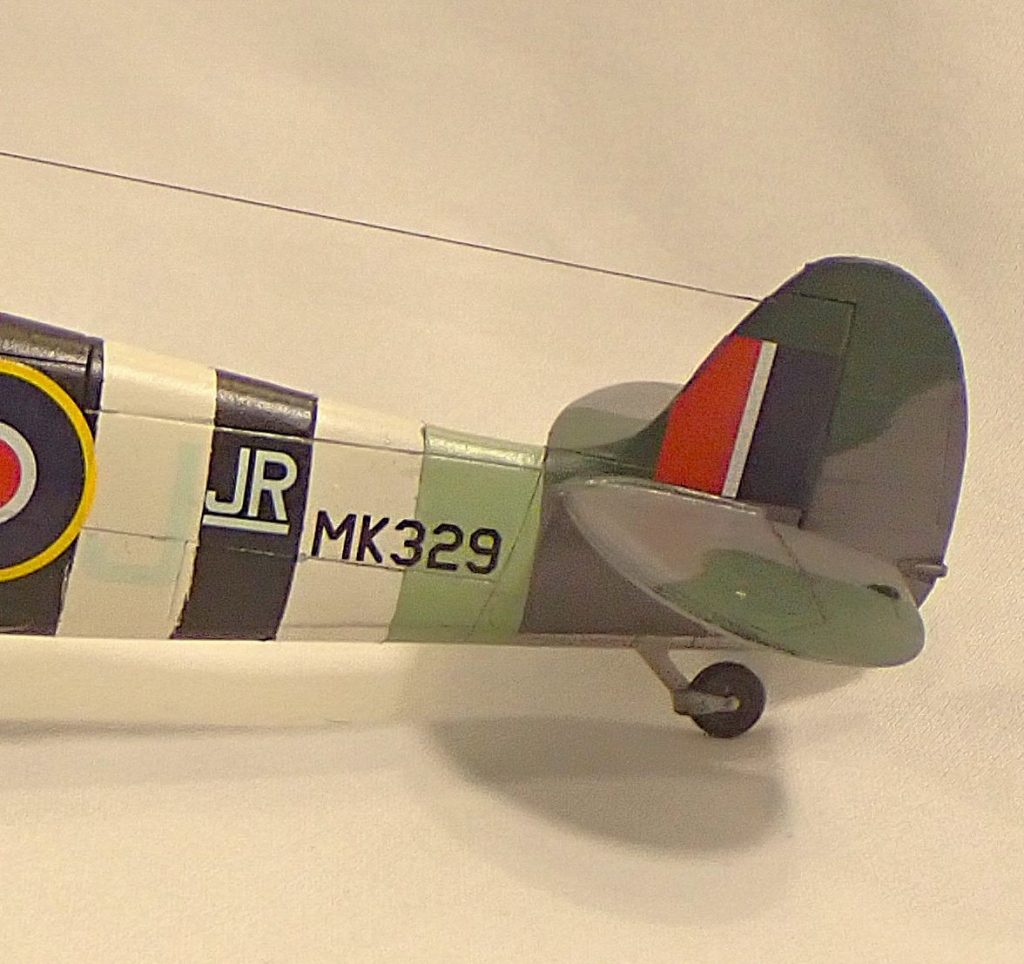
From 1937 the late L and second N series had blackout blocks for security reasons. Sections of numbers were allocated but never used to hide the number of aircraft being manufactured misleading the Germans into thinking the British had more. This practice was to continue throughout WW2. In 1940 the system had reached Z9978, a Bristol Blenheim, so it was decided to re-structure the sequence. The choice was to begin again at A1000 or change to a double letter/triple number system beginning with AA100. The latter was chosen and is still in use today. The same letters, G, I, M, O, Q, U, Y, were not utilised as in the previous system, for example there was no IVxxx or BQxxx. The letter G was again used for other reasons, this time as an addition to the serial number denoting the word Guard, meaning that any aircraft with the G suffix had to always be under armed guard. Experimental prototypes, such as the Gloster Meteor, or aircraft carrying secret equipment being prime examples.
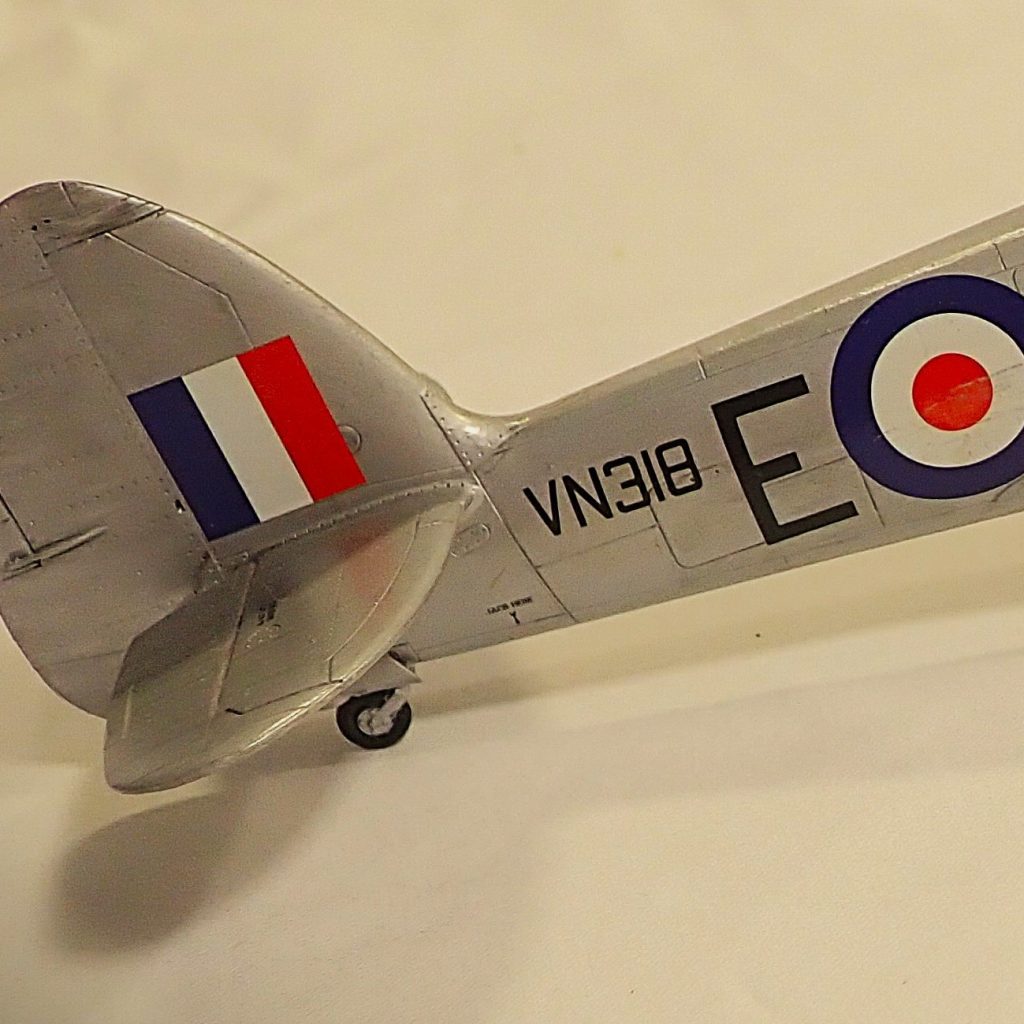
Some combinations of letters could not be used for various reasons. DH could be confused with de Havilland, HA for hostile aircraft, similarly EA for enemy aircraft, NZ as the system was used for RNZAF and many combinations were blocked out as allocations for lend lease aircraft. RA100 to VN999 were the final serial sequences used during WW2, although a large proportion of these were cancelled, delivered in peacetime or reserved for lend lease which were not delivered. Post WW2 and subsequent orders are from serial VP100 to the present.
Clear as mud? Absolutely…but the system worked very well.
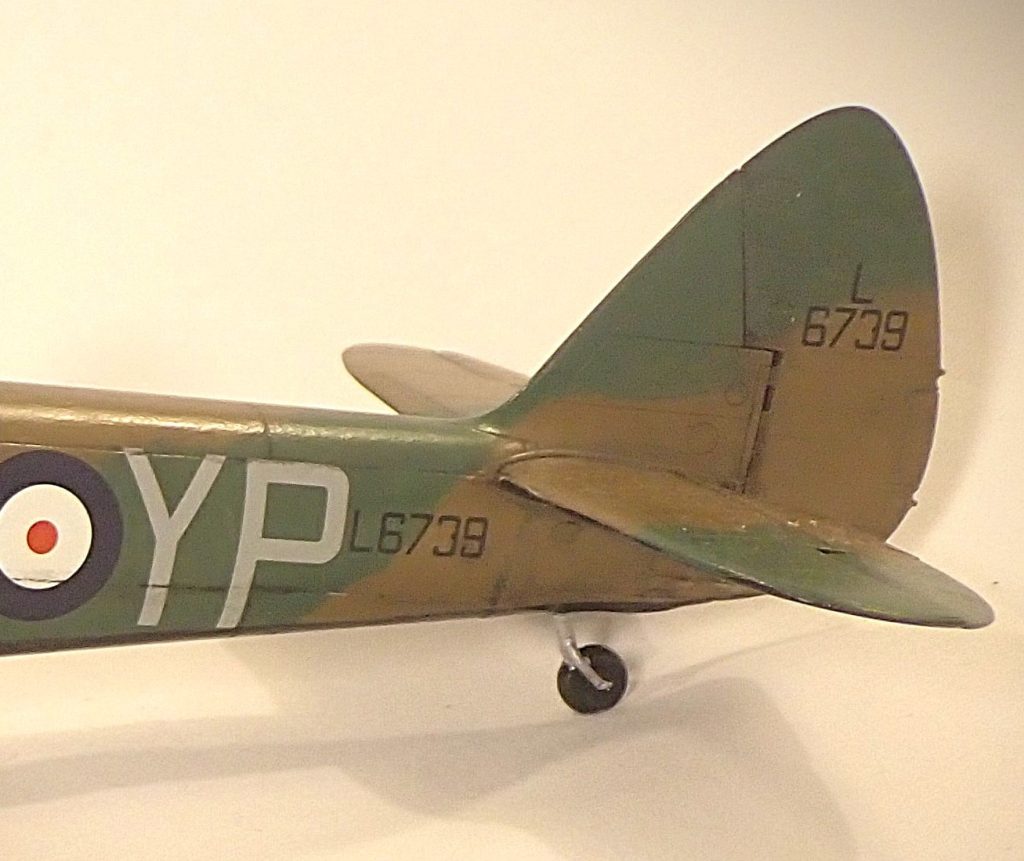
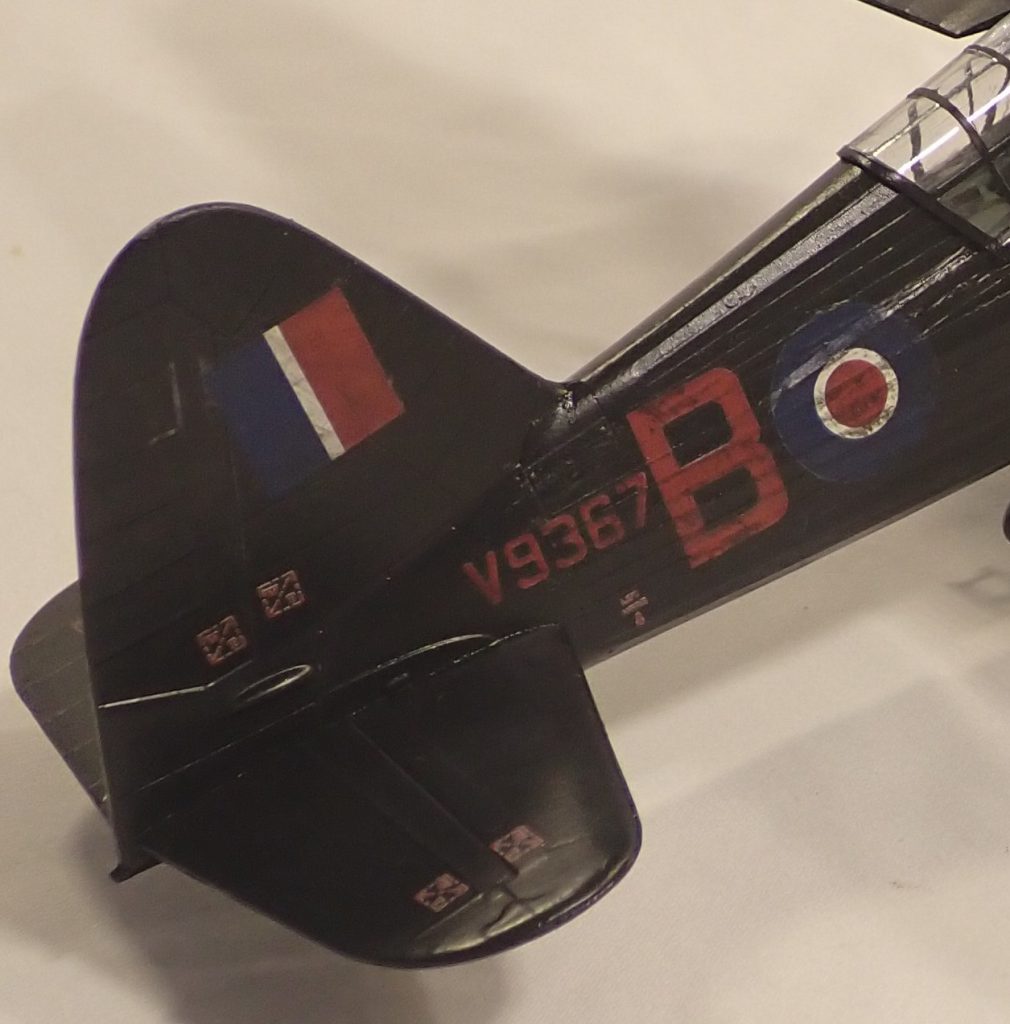
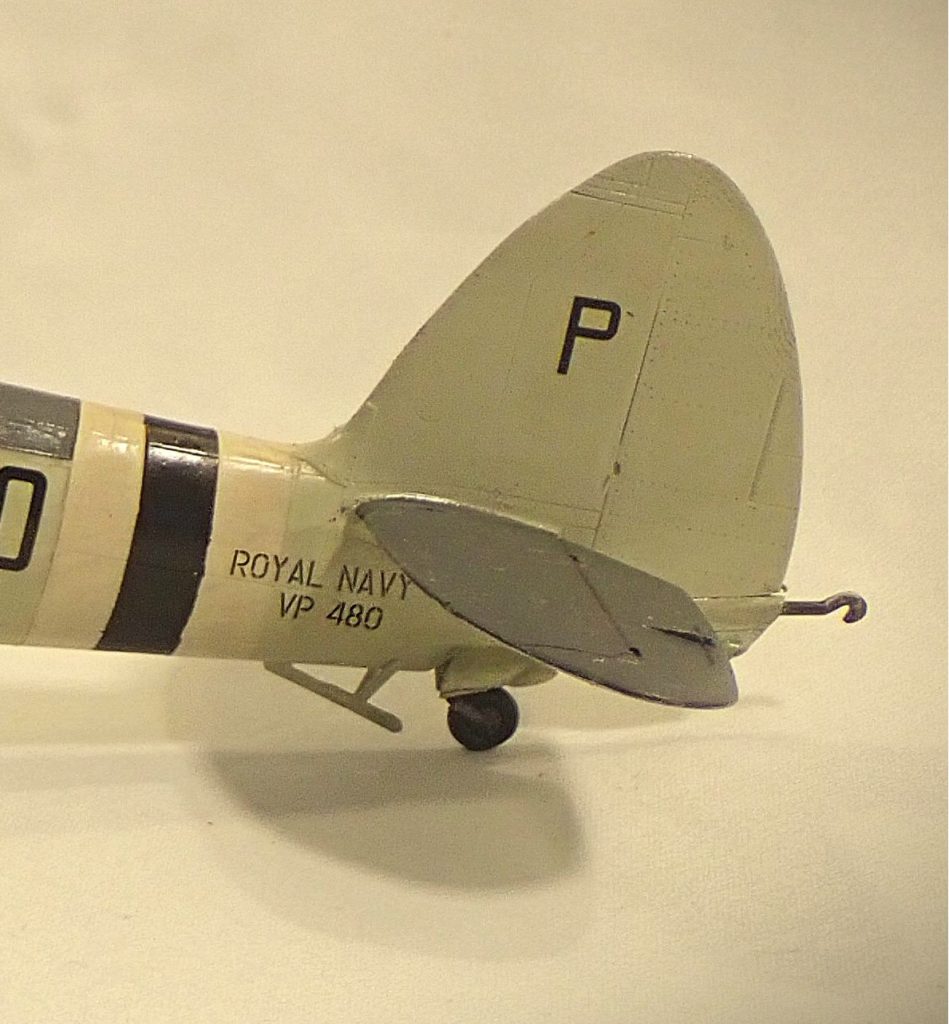
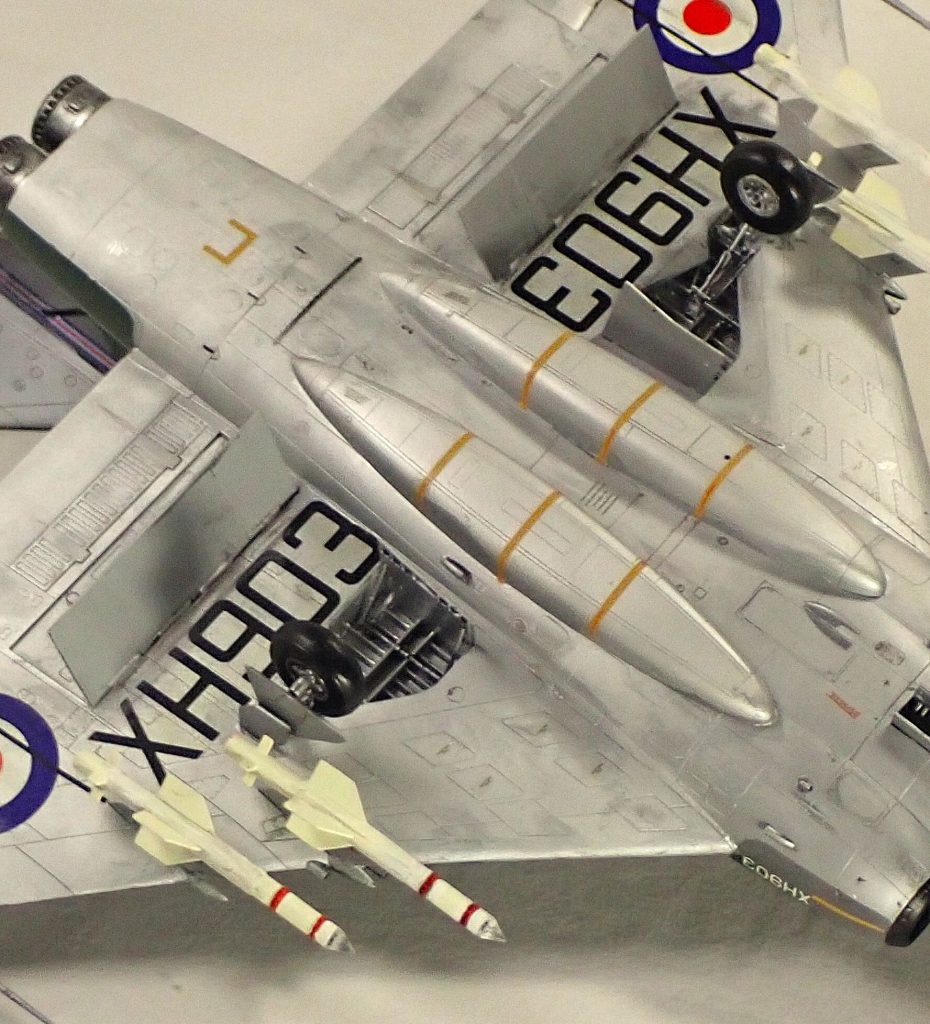
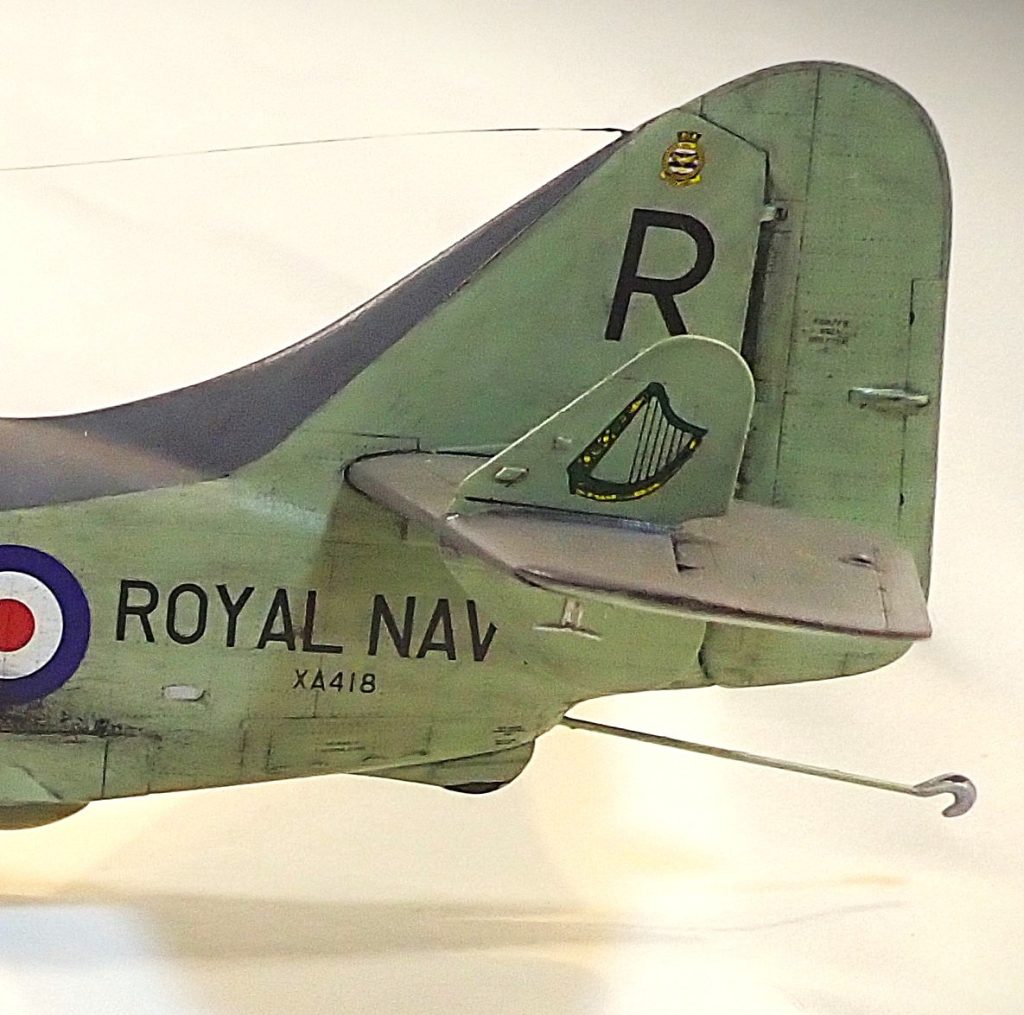
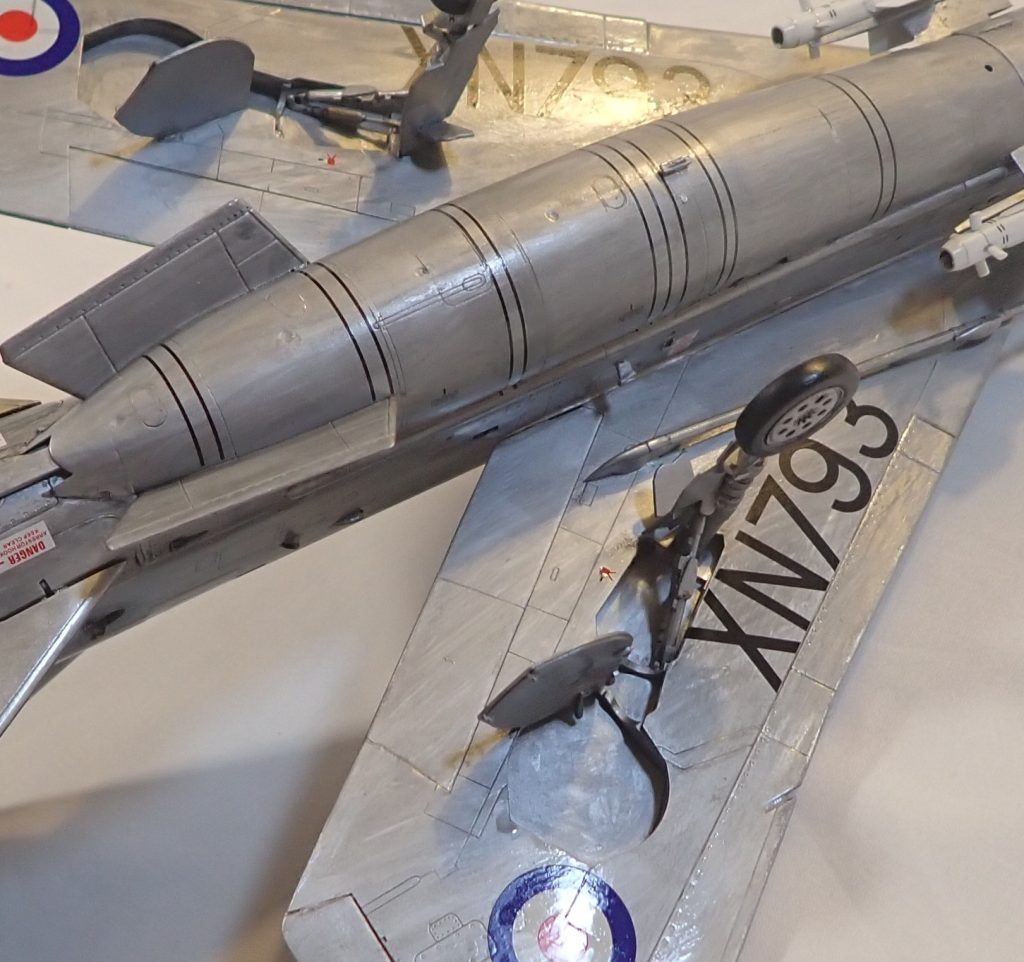
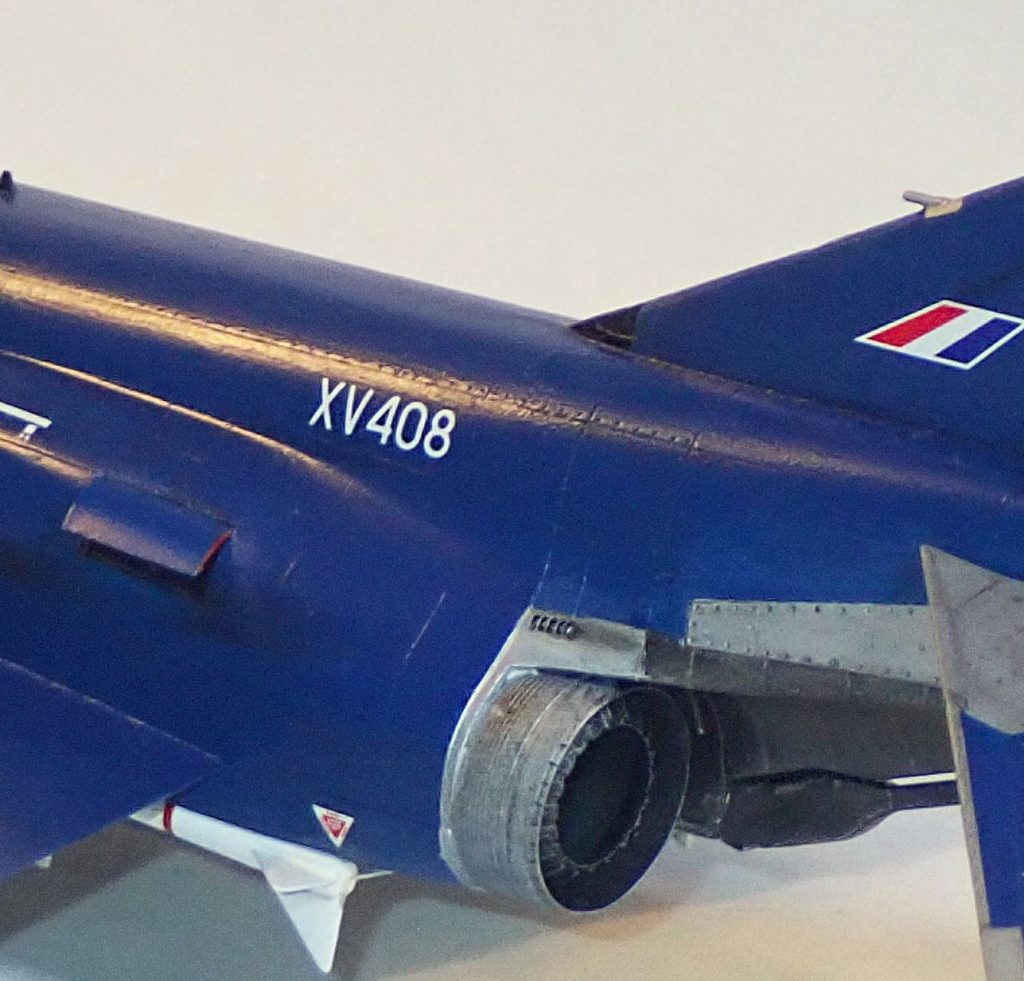
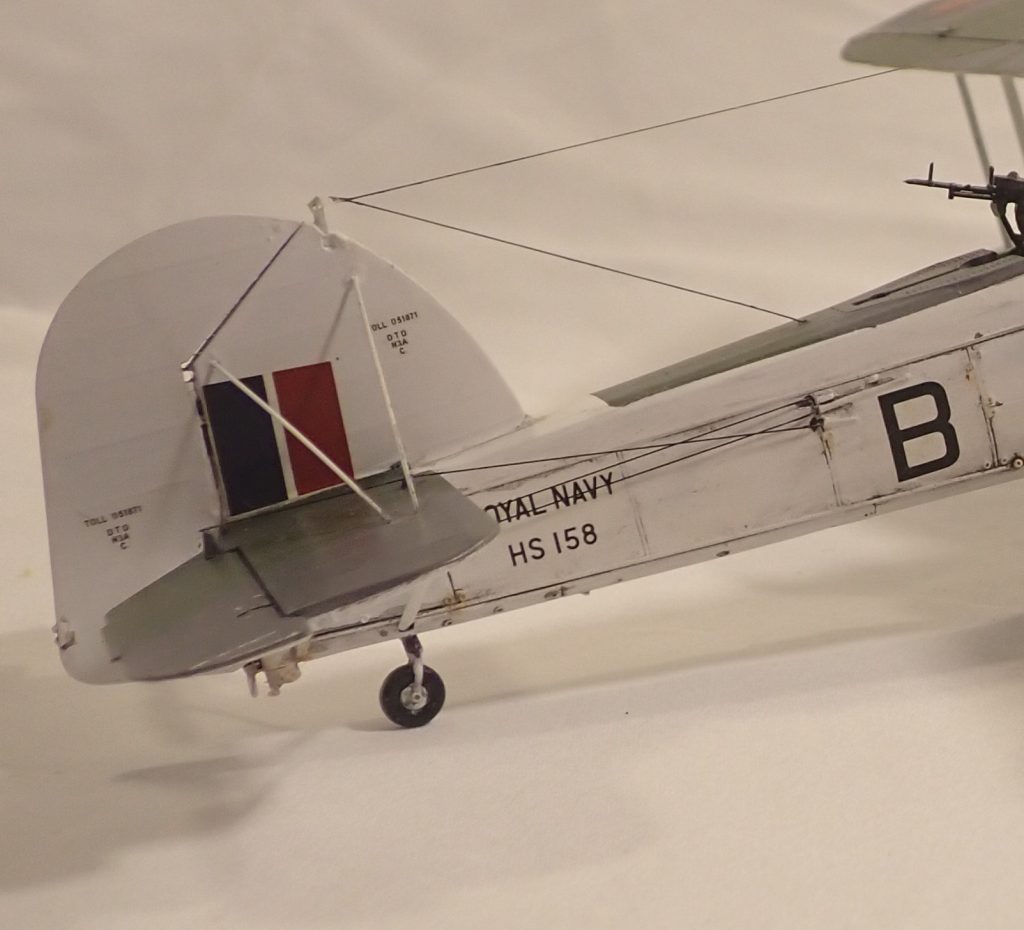
Positioning of the serial numbers varied. During WW1 the serial appeared on the tail upright or rear fuselage. This continued in the interwar period with the addition of serials on the underside of the wings. It was originally conceived for identification purposes from the ground as well as allowing the general public to report any unauthorised low flying incidents. This practice ceased with the outbreak of WW2 and the serial numbers were displayed on the rear fuselage, usually just before or under the stabiliser, or tail upright, or for a period in the late 1930s where the serial appeared in both positions before the standardised tail flash. Colour ranged from black, sky, white or red depending on the background. Red was usually reserved for the matt black finish on night fighters and Bomber Command aircraft as well as some FAA planes.
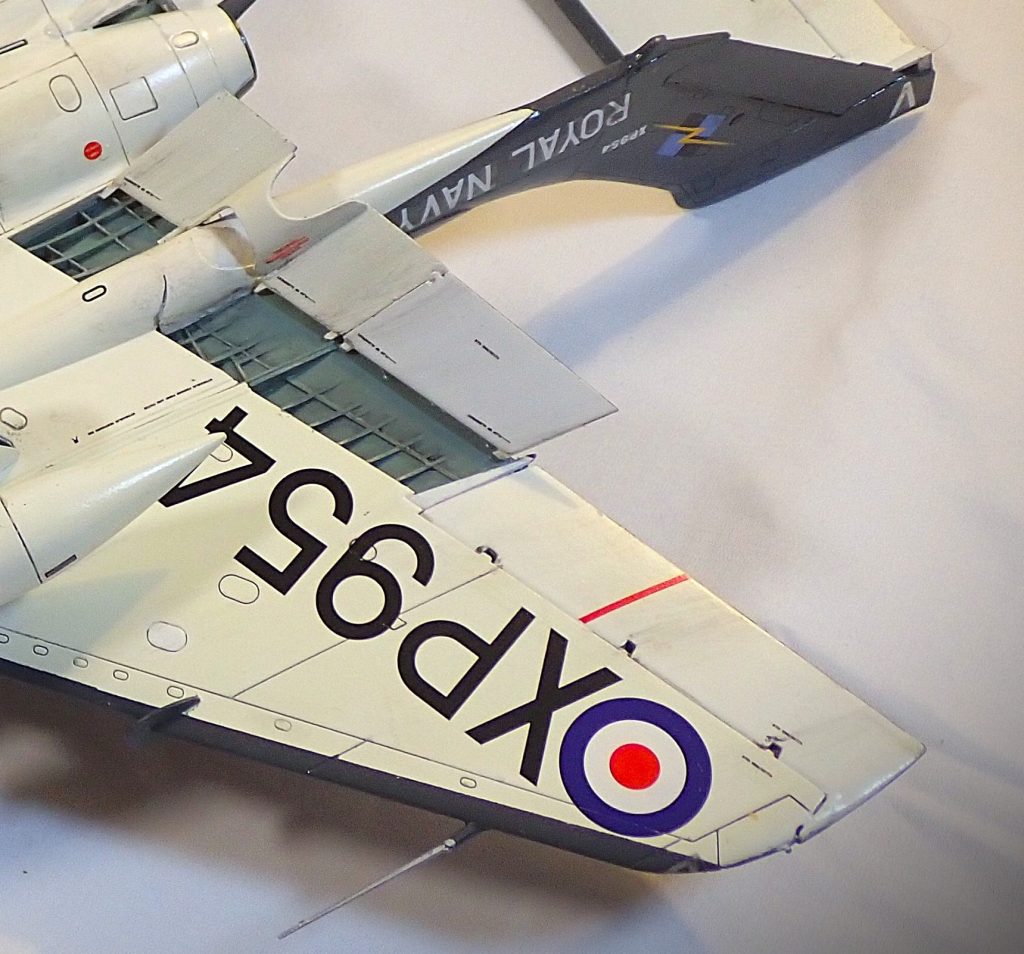
After WW2 serial numbers were again displayed on the underside of each wing. However, with the increasing speed of jet aircraft it became unlikely that an observer would be able to read the serial, so the practice was stopped in the 1970s, although existing aircraft carried serials under the wing into the 1980s.
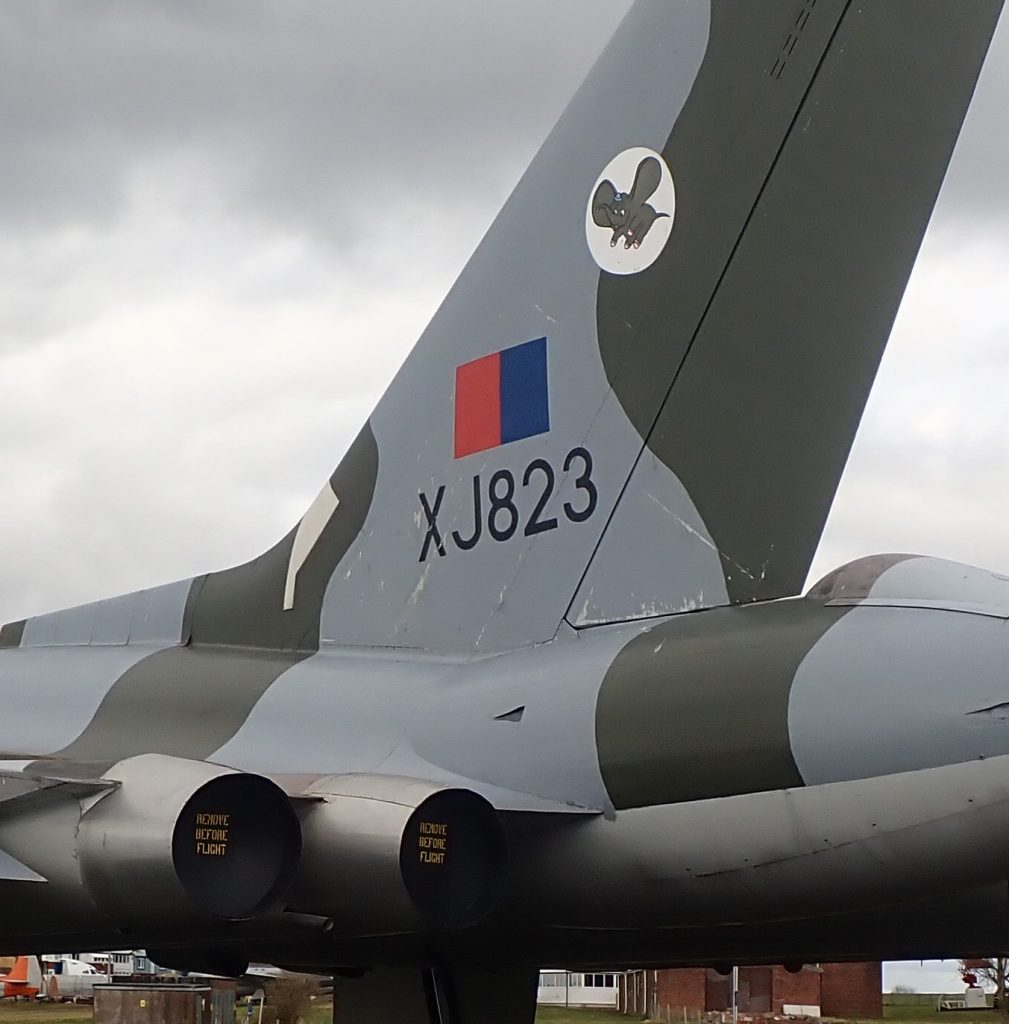
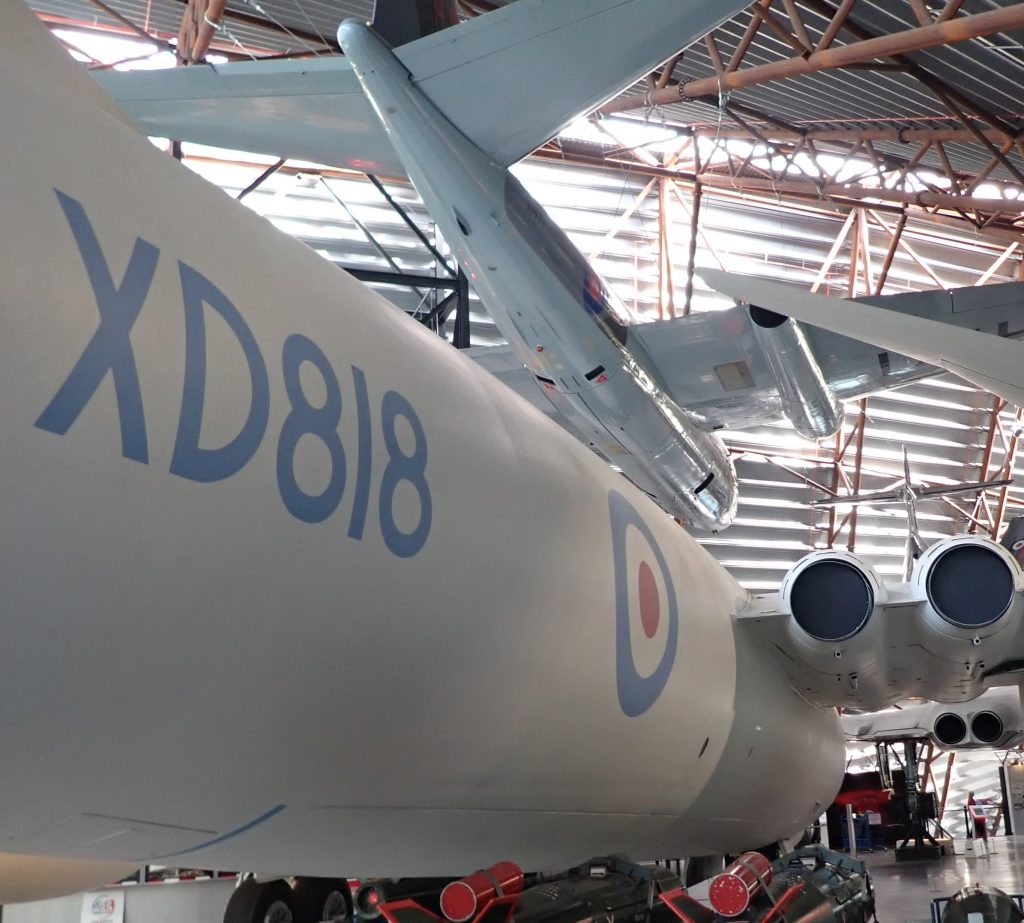
Serial numbers on jets were usually placed on the fuselage at the rear as normal but with the differing designs this was often impractical. For example, Gloster Javelins had the serial on the engine cowling and the Vulcan on the tail fin. Other types under the main wing or above the tailplane. On strategic aircraft painted anti-flash white the colouring of the serial number was often low visibility light blue or Baby Blue. This colour was also used on some tactical FAA aircraft, for example the Buccaneer S2C.
When the Royal Navy regained control of their aircraft on 1 April 1924 the Fleet Air Arm was formed, the Naval branch of the RAF. All FAA aircraft had the words Royal Navy written in capitols above their serial numbers except on the underwing, a practice still in use today.